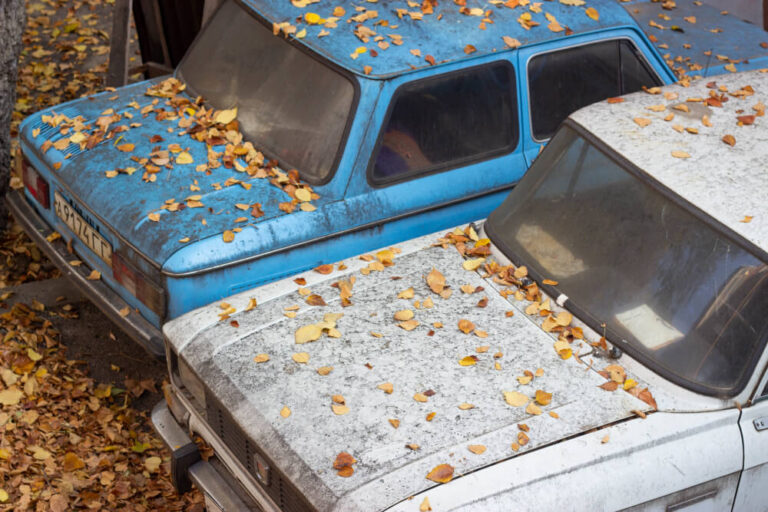
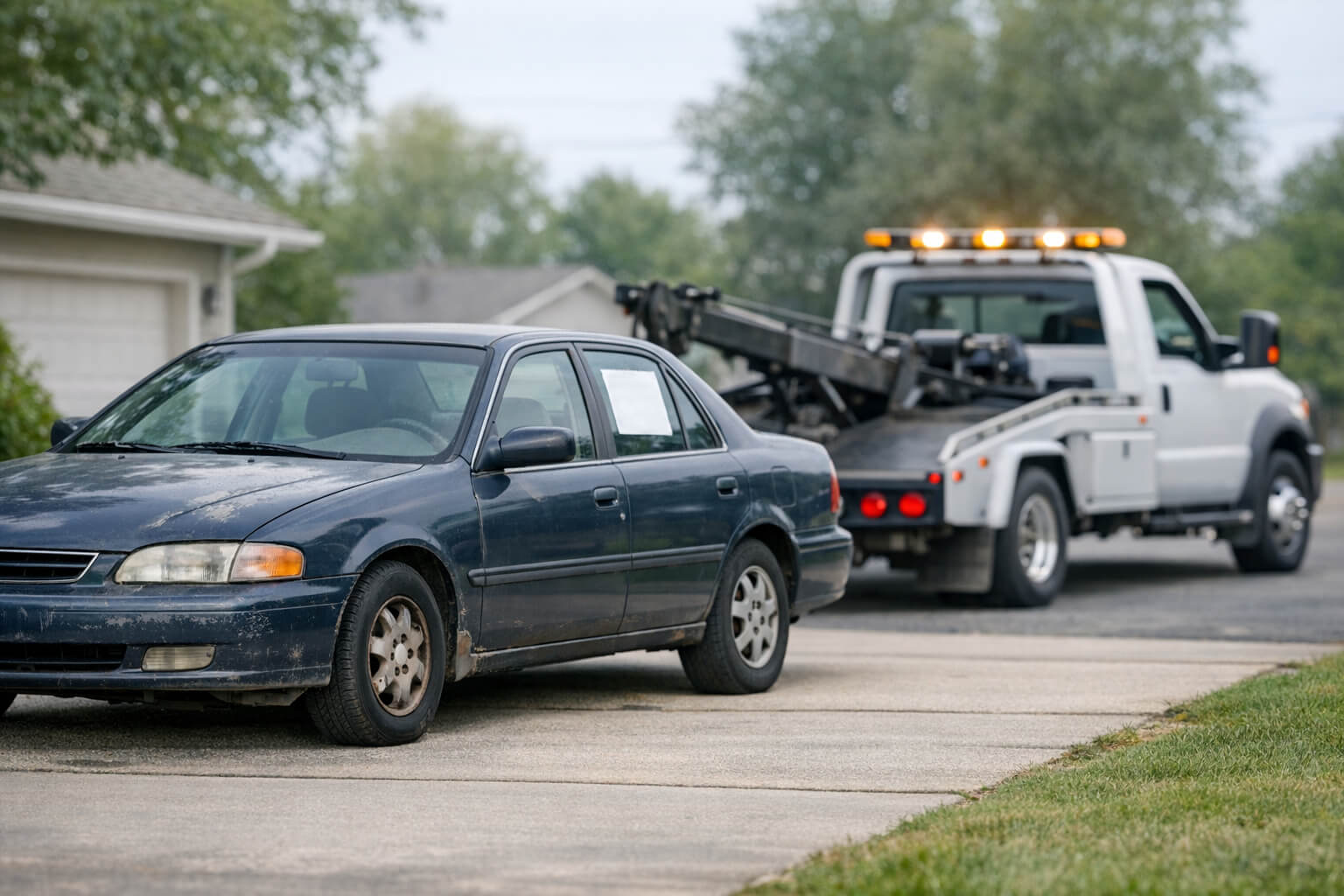
If your car is old, damaged, or one repair away from not being worth it, the decision usually comes down to two realistic options: sell it as-is to someone who will fix it or use it, or sell it for scrap (often called junking it) where the value is mostly tied to weight and parts. In practice, as-is tends to pay more when the car can be test-driven and has a clean, transferable title, while scrap tends to make more sense when the car won’t run, isn’t safe to drive, or you need it gone quickly without meeting multiple buyers. If your vehicle is already immobile and you’re trying to figure out the safest way to move it off your property or to a buyer or yard, Durham Towing Company can help with transport in Durham, Chapel Hill, and RTP. You can reach us at 1-919-805-3344.
Quick choice guide: when scrap wins vs. when as-is wins
Cars usually end up as scrap when the main value is no longer “a usable car,” but “metal and parts.” If the engine is blown, the transmission is gone, the frame is badly rusted, the car fails inspection for expensive reasons, or it has major accident damage, scrap is often the lower-stress choice. You’re not trying to convince a buyer it’s worth repairing. You’re just trying to get a straightforward offer and a clean handoff.
Selling as-is shines when someone can show up, start it, and drive it around the block. Even if it needs work, a drivable car lets buyers evaluate it quickly and reduces their risk, which raises what they’re willing to pay. Cars with relatively simple issues like brakes, a starter, tires, sensors, cosmetic damage, or minor leaks often bring more as-is than they do as scrap, especially if the interior is decent and the title situation is clean.
A practical rule that helps: if it can be safely test-driven and you can transfer the title without drama, it’s usually worth trying the as-is route first. If either of those isn’t true, scrap becomes the more realistic baseline.
What “sell for scrap” and “sell as-is” really mean
Selling for scrap typically means selling to a junkyard, scrap yard, or salvage buyer who values the vehicle primarily based on weight and recoverable parts. The car doesn’t need to run. In many cases it doesn’t even need to be complete, but missing major components can reduce the offer. The upside is speed and simplicity: fewer meetups, less negotiating, and fewer “is it still available?” messages.
Selling as-is means you’re selling the vehicle in its current condition without repairing it first. That can be to a private buyer, a small used car lot, a mechanic, or a “cash for cars” buyer who resells or parts it out. “As-is” does not mean “say nothing.” It means you disclose known issues, set expectations, and price it accordingly. The upside is usually higher money if the car is still usable. The tradeoff is time, communication, and the occasional headache.
Compare the money side (without getting tricked)
How scrap value is usually determined
Scrap offers commonly move with the value of metals and what parts are likely to be reusable. Two cars that look similar can get very different offers based on what’s still on them.
Things that often affect a scrap quote:
- Vehicle weight (bigger vehicles often bring more)
- Completeness (engine, transmission, wheels, battery, catalytic converter)
- Damage and access (can it roll? is it stuck in a garage? is it in a ditch?)
- Title situation (some buyers pay less or won’t buy without proper paperwork)
Ask early whether the quote assumes the car is complete, whether pickup is included, and what deductions apply if the car doesn’t roll or has missing parts.
How as-is pricing is usually determined
As-is pricing is less about scrap weight and more about the buyer’s risk and effort. Buyers are thinking: “What will it cost me to make this car usable or resellable, and what might I discover after I buy it?”
As-is value is heavily influenced by:
- Runs/drives vs. won’t start
- Mileage and maintenance history
- Cosmetic condition (interior especially)
- Title status
- Demand for the make/model
- Inspection status and emissions readiness (if applicable)
A drivable car with issues is still a car. A non-running car is often treated like a project, and project cars get “project pricing.”
Simple decision math you can do at home
You don’t need an exact appraisal to make a good decision. You need a realistic “net” comparison.
- As-is net: expected sale price minus your time and costs (posting, calls, showings, possible tow to meet buyer, paperwork fees).
- Scrap net: best scrap offer minus any deductions (non-rolling fee, missing-parts adjustments, title issues, towing fees if pickup isn’t included).
If your as-is estimate is only a little higher than scrap, the extra time and risk may not be worth it. If it’s significantly higher, listing as-is for a short, defined window can be a smart move.
Effort, time, and safety tradeoffs people underestimate
The hidden cost of selling as-is isn’t just time, it’s decision fatigue. You’ll answer messages, schedule meetups, handle no-shows, and negotiate. That’s manageable when you’re not in a rush, but it’s stressful when the car is blocking your driveway, your HOA is complaining, or you’re moving.
Scrap sales are usually simpler: fewer interactions and fewer ways for the deal to go sideways. The tradeoff is you might leave money on the table if the car still has real “car value.”
If you do sell as-is privately, meet like you would for any high-trust transaction:
- Choose a daylight time and a public place
- Bring a friend if possible
- Don’t hand over the title until payment is secure
- Be cautious with “I’ll pay you later” or “my agent will pick it up” scenarios
Title and paperwork: what can block the sale
Clean title vs salvage title vs no title
A clean title is the easiest path for either sale option. You can transfer it normally, and buyers have confidence they can register the car.
A salvage or rebuilt title can still be sold as-is, but it narrows the buyer pool and usually lowers price. Some buyers are fine with it if the car is cheap and the repairs were documented. Others won’t touch it.
A missing title is where as-is sales often fall apart. Private buyers typically don’t want the risk. Scrap and salvage buyers sometimes have processes for it, but requirements vary. If you’re missing a title, your best first step is to look up what your state’s DMV requires to replace it rather than assuming you’re stuck.
What to prepare before you take money
Paperwork and handoff details are what prevent “that car is still in my name” problems later.
Have ready:
- Title (in your name) and any lien release if needed
- Keys (all copies you have)
- Basic bill of sale documentation
- Remove personal items and anything tied to your accounts (garage door openers, toll tags, paperwork with your address)
- Remove plates if your state requires it and follow your DMV guidance on plate return or disposal
- Coordinate insurance cancellation timing so you’re covered until the sale is complete
Red flags and common mistakes (and how to avoid them)
Most bad outcomes come from a few repeat mistakes.
Letting someone drive off “to test it” without you is a big one. If they disappear, your car is gone and the paperwork may still be in your name. Another common trap is accepting payment that looks official but isn’t, especially with screenshots, fake confirmation emails, or checks that “clear” and later reverse.
Be direct in your listing and conversations. If it overheats, say so. If it needs a jump every morning, say so. Honest disclosure protects you and prevents the buyer from trying to renegotiate on the spot with “I had no idea” tactics.
Also avoid forcing a stuck door lock or trunk when you’re pulling personal items. Breaking a key off in a lock right before pickup turns a simple sale into an extra problem.
How to get and compare offers the smart way
For scrap offers
You’ll get better comparisons if you give the same details to each buyer:
- Year, make, model
- Running or not, and whether it rolls and steers
- Missing major parts (catalytic converter, wheels, battery)
- Where it sits and how easy it is to access
- Whether you have the title
Ask specifically: “Is pickup included?” and “What would reduce the offer on arrival?” That second question matters because some buyers quote high and then “discover” reasons to lower it when they show up.
For as-is offers
Good photos and a clear description do more than fancy wording. Include:
- Exterior angles, interior, odometer
- Any damage spots
- A short list of known issues and recent repairs
- Whether it can be test-driven safely
Set simple boundaries: first-come, first-served, no holds without a deposit you’re comfortable with, and a defined meeting place.
Special situations that change the best choice
The car won’t start or isn’t safe to drive
Non-running cars can still be sold as-is, but your buyer pool shifts toward mechanics and project buyers, and the price usually drops. More importantly, meetups and test drives aren’t possible, which increases buyer risk and negotiation pressure.
At that point, many owners choose scrap because it’s a cleaner handoff. If you do have an as-is buyer lined up, plan transport rather than trying to “just make it there” on a failing vehicle. Moving an immobile car safely is often the difference between a smooth sale and a roadside breakdown.
The car is totaled or has major accident damage
If insurance has totaled the vehicle or it has structural damage, scrap or salvage is often the most straightforward path. Some enthusiasts buy crash-damaged cars as projects, but those sales take longer and can be paperwork-heavy.
Major parts are missing
Missing a catalytic converter, wheels, or drivetrain parts can tank both scrap offers and as-is interest. Scrap buyers may still take it, but expect the quote to change. As-is buyers will assume more hidden issues.
A quick checklist to decide today
- Can it be started and driven safely?
- Do you have a clean, transferable title?
- Are repairs likely to cost more than the car’s realistic value?
- Do you need it gone within the next few days?
- Are you willing to handle messages and meetups?
If most answers lean toward “no,” scrap is often the lower-stress option. If most lean toward “yes,” list it as-is for a short, defined period before falling back to scrap.
Summary: maximize value without increasing your risk
Cars that still run and can be test-driven usually sell for more as-is, especially with a clean title and clear disclosure. Cars that don’t run, aren’t safe, have major mechanical failures, or need to be removed quickly often fit the scrap route better, because it reduces delays and buyer hassles. If your vehicle is already immobile and you need a safe way to move it to a yard or to a buyer, Durham Towing Company can help with transport around Durham, Chapel Hill, and RTP. Call 1-919-805-3344 to coordinate the next step without turning a stressful decision into a bigger problem.