If your motorcycle won’t start after a jump start, you’re not alone. This is one of those frustrating roadside problems that feels like it should be simple, but motorcycles don’t always respond to a jump the way cars do. The good news is that you can usually narrow down what’s going on pretty quickly without special tools.
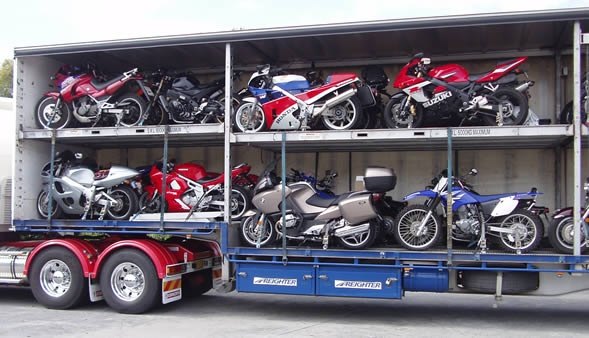
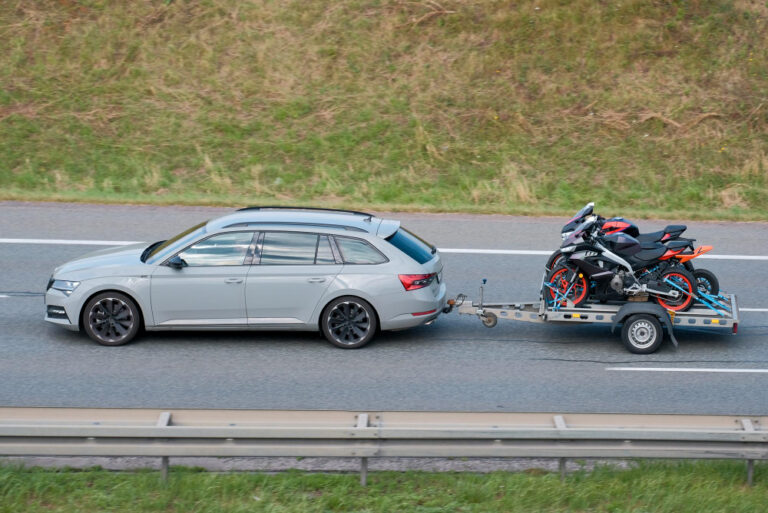
This guide walks you through safe, practical checks you can do in a parking lot or gas station in Durham, Chapel Hill, RTP, or anywhere else you ride. And if you reach the point where it’s smarter to stop troubleshooting and move the bike, we at Durham Towing Company can help you arrange motorcycle transport (1-919-805-3344).
First: Safety + “Stop Doing This” Checks
Before you try another jump or hit the starter again, take 30 seconds to avoid making the situation worse.
- Get to a safe spot off the road if you can. Keep the bike stable on the side stand or center stand.
- Don’t crank continuously. Long cranking can overheat the starter and drain the battery even more.
- If you’re using a car as the donor vehicle, avoid revving the car and avoid creating sparks near the motorcycle battery area.
- Stop immediately if you notice burning smells, smoke, hot wires, or a battery that looks swollen or leaking.
If anything looks unsafe, it’s okay to pause and get help. Electrical issues can go from annoying to damaging fast.
Quick 60-Second Triage: What Symptom Do You Have?
The fastest way to troubleshoot is to match what you’re seeing to a common failure pattern.
1) Totally dead: no dash lights, no headlight, nothing
This usually points to:
- a disconnected or loose battery cable
- a blown main fuse
- a completely failed battery connection (corrosion, broken cable)
2) Lights come on, but you only get clicking (or rapid clicking)
This often points to:
- low battery voltage under load
- loose/corroded connections
- starter relay/solenoid issues (less common than a weak battery, but possible)
3) The engine cranks strongly, but it won’t start
This points away from the jump itself and more toward:
- kill switch or safety interlock issues
- fuel/ignition problems
- a flooded engine (varies by bike)
Now let’s get into the most common reasons a jump doesn’t fix it.
Why a Motorcycle Can Still Fail to Start After a Jump
The battery is too far gone to accept a charge
A jump start can provide a temporary boost, but it can’t “repair” a battery that’s internally failing. Motorcycle batteries are smaller than car batteries, and when they’re old, deeply discharged, or damaged, they may light up the dash but collapse the moment you try to start.
Common signs:
- It cranks while connected to the jump pack, but dies immediately when you disconnect.
- You hear rapid clicking when you hit the starter.
- The dash resets or goes dark the moment you press the start button.
In plain terms: the bike may be acting like it’s getting power, but the battery can’t deliver the current the starter needs.
Bad connections (the “it was jumped, but not really” problem)
A lot of “failed jumps” are really just poor contact.
What to look for:
- Battery terminals that can be wiggled by hand
- White/green corrosion on the terminals
- Clamp attached to a painted surface or a weak ground point
- Ground cable loose where it bolts to the frame or engine
Even a small amount of looseness can keep the battery from delivering starter current.
Blown main fuse or ignition fuse (especially after a messy jump)
If clamps touched the wrong spot, polarity was reversed briefly, or there was a big spark, a fuse can blow. Some bikes have a main fuse near the battery or under a side cover.
Signs of a blown main fuse:
- You had some power, then suddenly everything went dead
- No dash lights, no fuel pump sound (if your bike normally primes), no crank
If you can safely access the fuse and you have a spare, a replacement may get you back to normal. If the new fuse blows right away, stop. That suggests a short or wiring problem that needs proper diagnosis.
Starter relay/solenoid or starter motor issue
If the battery and connections seem solid but you still only get a click, the problem may be in the starting circuit.
A quick way to interpret the sound:
- Rapid clicking usually means low voltage under load (battery/connections).
- One solid click with no crank can mean a relay/solenoid problem, a starter issue, or a mechanical/electrical fault that’s preventing the starter from turning.
This is one of those areas where continuing to “just try again” rarely helps.
Safety interlocks and simple controls (easy to miss)
Motorcycles often have safety switches that prevent starting in certain conditions. If you’re stressed and stranded, it’s easy to overlook one.
Quick checks:
- Kill switch set to RUN
- Bike in neutral (neutral light on, if equipped)
- Side stand fully up (some bikes won’t start in gear with the stand down)
- Clutch fully pulled in (many bikes require it even in neutral)
Depending on the model, these interlocks can affect cranking, spark, or both.
Charging system problem (it will jump, but won’t stay running)
Sometimes the jump works, but the “fix” doesn’t last. If the bike starts and then dies soon after, or if it keeps killing batteries despite being ridden, the charging system may not be replenishing the battery.
Two common pieces involved:
- Stator (generates power)
- Regulator/rectifier (converts and controls charging)
You usually can’t confirm charging output accurately roadside without a meter, but the pattern matters: if it keeps dying after being started, it’s often more than a one-time dead battery.
Step-by-Step: What to Do Next (Roadside Troubleshooting)
Step 1: Confirm the obvious controls
This sounds too basic, but it solves a surprising number of “won’t start” situations:
- Key fully on
- Kill switch on RUN
- Neutral selected
- Side stand up
- Clutch lever pulled in
If your dash is showing a warning related to an immobilizer or key system, follow your bike’s manual guidance if you have it available. Some systems can prevent starting even with a good battery.
Step 2: Check power and connections
If you can access the battery area safely:
- Make sure battery terminals are tight
- Look for corrosion that could prevent solid contact
- Check the negative/ground cable where it bolts to the bike. A loose ground can act like a dead battery.
If you’re using a jump pack, make sure its clamps are on clean metal and not slipping.
Step 3: Try the jump correctly (once)
If you’re going to try again, do it with a “one good attempt” mindset.
- Make solid contact on the positive terminal and a good ground point.
- Avoid creating sparks near the battery.
- Don’t hold the start button for a long time. Use short attempts with a pause in between.
If a correct attempt doesn’t change anything (still totally dead, still rapid clicking, still no crank), continuing usually just drains the jump source and adds wear.
Step 4: Interpret what you see and hear
Use the symptom to decide your next move:
- No lights at all: think main fuse, disconnected cable, or failed connection.
- Rapid clicking: think battery too weak or poor connections.
- Single click: could be relay/starter, or a battery that’s collapsing hard under load.
- Strong crank, no start: likely not a battery issue. Check kill switch, stand/neutral/clutch interlocks, and consider fuel/ignition problems.
Step 5: If it starts, don’t assume it’s fixed
If the bike fires up:
- Let it run briefly and watch for dimming lights or stumbling.
- If it dies as soon as you disconnect the jump pack, your battery is likely failing badly or the bike isn’t charging.
- If it starts but feels unreliable, think carefully before riding into traffic or farther from home. A second stall in a worse location is common with weak batteries and charging issues.
If you’re not confident it will keep running, transporting the bike can be the more practical choice than risking another breakdown.
When to Stop Troubleshooting and Arrange Help
Stop trying to jump or crank and switch to “get it safely moved” if any of these are true:
- You smell burning insulation, see smoke, or notice hot/melting wires
- The battery looks swollen, leaking, or damaged
- You replaced a fuse and it blows again immediately
- The bike starts only while connected to the jump source and dies right away
- You’re stuck in an unsafe spot (shoulder, blind curve, heavy traffic area)
At that point, the goal is preventing additional damage and getting to a place where the battery, charging system, or starter circuit can be diagnosed properly. If you need motorcycle transport in Durham, Chapel Hill, or RTP, you can use a motorcycle towing option as a next step rather than continuing risky attempts.
Preventing the Next “Dead Battery at the Gas Station” Moment
Once you’re back home (or at a shop), a little prevention goes a long way:
- Keep battery terminals clean and tight.
- Pay attention to early warning signs: slow cranking, dash flickering, needing frequent boosts.
- A small jump pack can be useful, but it’s not a fix for a battery that can’t hold a charge.
- If the battery keeps dying after rides, have the charging system checked. Replacing batteries repeatedly without solving the underlying cause gets expensive fast.
Takeaway: A jump start is a clue, not always the solution
If your motorcycle won’t start after a jump start, the most common culprits are a battery that can’t handle starter load, poor connections, a blown fuse, a starting-circuit problem, or a bike that isn’t charging once it runs. The best approach is quick safety checks, one solid jump attempt, and then making a clear decision about whether it’s time to stop and get the bike moved.
If you’re in the Durham area and you need help transporting a motorcycle that won’t reliably start or stay running, call Durham Towing Company at 1-919-805-3344. We’ll help you get the bike to a safer place for diagnosis instead of risking another breakdown.