
Last Tuesday night, Sarah’s sedan died on Highway 85 with a dead phone battery and no help in sight. What should have been a simple jump-start became a three-hour ordeal because she lacked basic emergency supplies. AAA reports that millions of drivers experience roadside emergencies annually, yet many lack proper emergency kits.
A well-stocked car emergency kit can transform potentially dangerous situations into manageable inconveniences. This guide covers five essential items that every vehicle should carry, explaining how each item addresses common roadside problems and when professional assistance becomes necessary. While preparation is your first line of defense, Durham Towing Company at 1-919-805-3344 remains available 24/7 for situations that exceed DIY solutions.
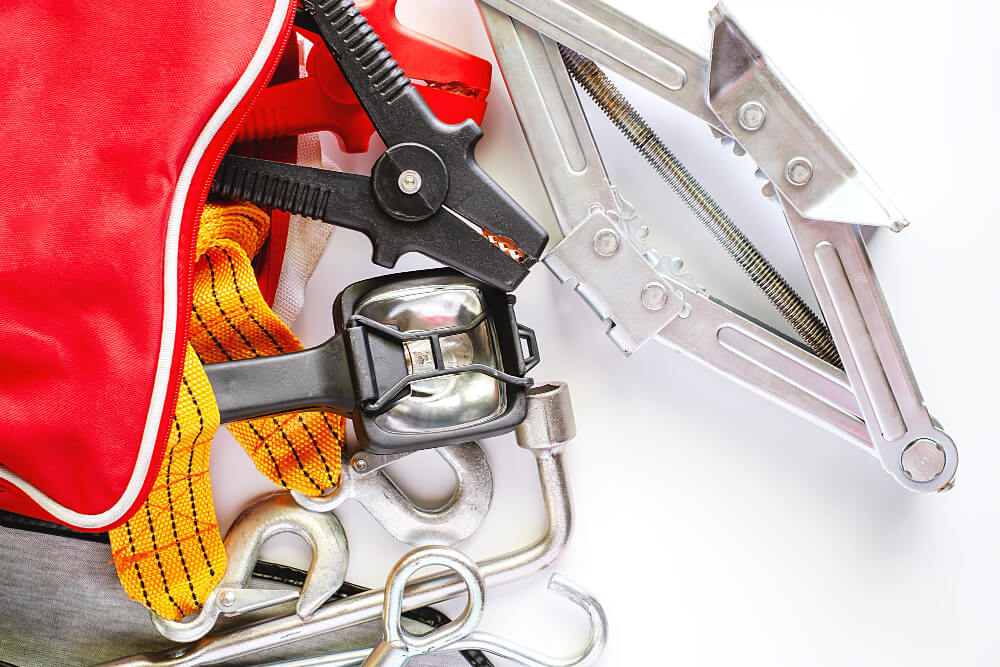
These five categories of emergency supplies address most common roadside issues while keeping you safer until help arrives.
Why Every Car Needs an Emergency Kit
Dead batteries, flat tires, and mechanical breakdowns happen without warning. Emergency kits provide immediate solutions for minor problems while keeping you safe during major ones. A complete emergency kit typically costs less than a single emergency service call.
Weather-related emergencies create additional challenges. Winter storms can strand drivers for hours, while summer heat makes waiting dangerous without proper supplies. Emergency kits provide climate protection and basic survival needs regardless of season.
Preparation also prevents small problems from escalating. A dead battery becomes a safety hazard when it occurs in heavy traffic or remote areas. Having jump-start capability transforms this emergency into a minor delay.
Self-reliance builds confidence for drivers who frequently travel alone or in unfamiliar areas. Emergency kits provide peace of mind for parents with teenage drivers and professionals who commute long distances regularly.
The 5 Essential Car Emergency Kit Categories
Jumper Cables or Portable Jump Starter
Dead batteries rank among the most common roadside problems drivers face. Jumper cables require another vehicle for assistance, while portable jump starters provide independent battery starting capability without flagging down strangers.
Traditional jumper cables should be at least 10-12 feet long with 4 to 6-gauge wire for reliable current transfer. Portable jump starters range from compact lithium units weighing under 3 pounds to heavy-duty models capable of starting larger engines. Mid-range portable units handle most passenger vehicles effectively.
Safety considerations include proper cable connection sequence and wearing gloves during cold weather operations. Jump-starting works for batteries with temporary drain issues but cannot revive completely dead cells or repair alternator problems.
Professional assistance becomes necessary when jump-start attempts fail repeatedly, battery terminals show corrosion damage, or electrical systems display warning lights after successful starts.
First Aid Kit and Emergency Supplies
Medical emergencies and extended wait times require basic survival supplies beyond automotive tools. First aid kits should include bandages, antiseptic wipes, pain relievers, and emergency contact information clearly visible for first responders.
Emergency food supplies like energy bars and bottled water sustain occupants during extended roadside waits. Flashlights with extra batteries provide visibility for nighttime repairs and signal passing motorists. Emergency blankets retain body heat in cold weather and reflect heat in summer conditions.
Cell phone chargers or portable power banks maintain communication capability when vehicle electrical systems fail. Many roadside emergencies become dangerous primarily due to inability to call for help.
Professional medical assistance should be contacted immediately for serious injuries, chest pain, difficulty breathing, or loss of consciousness regardless of available first aid supplies.
Tire Repair and Changing Tools
Flat tires affect most drivers at some point, making tire-related tools essential emergency kit components. Spare tires require regular pressure checks and should be replaced according to manufacturer recommendations or when tread becomes worn. Temporary spare tires typically limit driving to 50 mph maximum speed for limited distances.
Essential tire tools include properly sized jack, lug wrench matching your vehicle’s wheel nuts, and tire pressure gauge for verification after installation. Tire repair kits containing sealant and plugs provide temporary fixes for small punctures when spare tires are unavailable.
Road safety equipment like reflective triangles or LED road flares alert approaching traffic to your stopped vehicle. Reflective vests increase personal visibility when working near traffic lanes.
Professional towing becomes necessary for sidewall damage, multiple flat tires, broken wheel studs, or tire changes in dangerous traffic situations where personal safety is compromised.
Multi-Tool and Basic Repair Supplies
Versatile multi-tools provide multiple functions in compact formats, typically including pliers, screwdrivers, knife blades, and wire cutters. Quality multi-tools handle various minor automotive repairs effectively.
Duct tape provides temporary fixes for loose trim, cracked hoses, and damaged components. Heavy-duty zip ties secure loose parts and temporarily repair broken brackets or supports. Electrical fuses replace blown circuits that disable lights, ignition systems, or other electrical components.
Basic fluids like engine coolant and motor oil address minor leaks and low fluid levels that could prevent vehicle operation. Small containers sufficient for topping off systems prevent potential engine damage.
These supplies address minor issues but cannot replace comprehensive mechanical repairs. Professional diagnosis becomes necessary for engine overheating, transmission problems, or any situation requiring specialized tools or expertise.
Weather Protection and Communication Tools
Regional weather patterns determine specific emergency supply needs. Northern climates require ice scrapers, snow brushes, and warm clothing for winter emergencies. Southern regions benefit from sun protection and extra water during summer breakdowns.
Rain gear keeps occupants dry during tire changes or minor repairs in wet conditions. Emergency cash provides payment options when electronic systems fail or cell service is unavailable in remote areas.
Paper maps serve as technology backups when GPS systems fail or cell towers are overloaded during widespread emergencies. Emergency whistles signal for help when voice calls cannot reach potential rescuers.
Communication becomes critical during severe weather events or in areas with poor cell coverage. Battery-powered or hand-crank radios provide weather updates and emergency information when other communication methods fail.
Organizing and Maintaining Your Emergency Kit
Emergency kit storage location affects accessibility during actual emergencies. Trunk-mounted kits work well for sedans, while SUVs and trucks can accommodate larger containers in cargo areas. Avoid storing kits in areas that become inaccessible if vehicles cannot start or doors fail to open.
Regular maintenance ensures kit readiness when emergencies occur. Battery-powered devices require periodic charge verification. Food and water supplies need replacement before expiration dates. Temperature-sensitive items require appropriate storage conditions.
Family members should understand kit contents and locations to provide assistance during emergencies. Practice basic procedures like tire changing and jump-starting in safe conditions before emergencies occur.
What Your Emergency Kit Cannot Fix
Major mechanical failures require professional diagnosis and specialized equipment beyond emergency kit capabilities. Engine problems, transmission failures, and brake system issues need immediate professional attention for safety reasons.
Certain repairs require compliance with local regulations. Many jurisdictions restrict roadside repairs on highways or bridges, making professional towing necessary regardless of available tools or driver capability.
Insurance coverage considerations may apply to self-repair attempts. Understanding personal limitations prevents situations that emergency kits cannot address.
Building Confidence Through Preparation
A properly stocked car emergency kit addresses many common roadside problems while providing safety and comfort for you and your family during extended waits for professional help. These five essential categories cover immediate needs for most typical automotive emergencies without requiring extensive mechanical knowledge.
Regular kit maintenance and family education maximize emergency preparedness effectiveness. While proper preparation handles many roadside challenges independently, some situations still require professional expertise and specialized equipment.
Durham Towing Company at 1-919-805-3344 provides 24/7 professional assistance when emergencies exceed DIY capabilities, ensuring you have backup support regardless of how well-prepared your emergency kit may be. The combination of personal preparation and professional backup coverage creates a comprehensive approach to roadside emergency management.