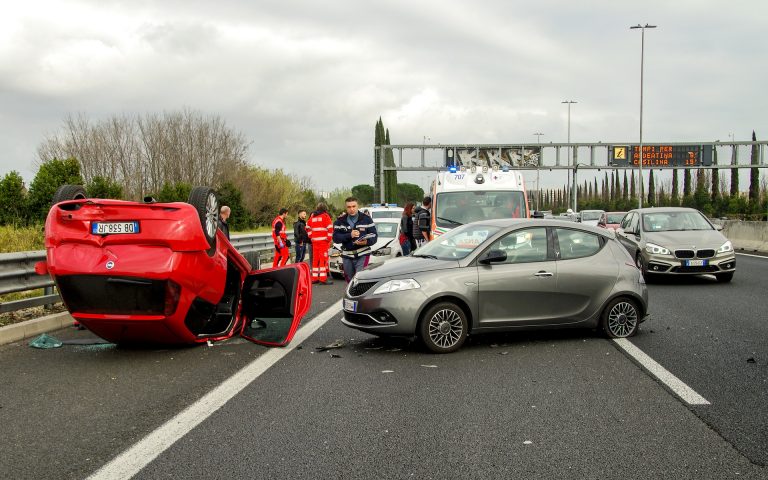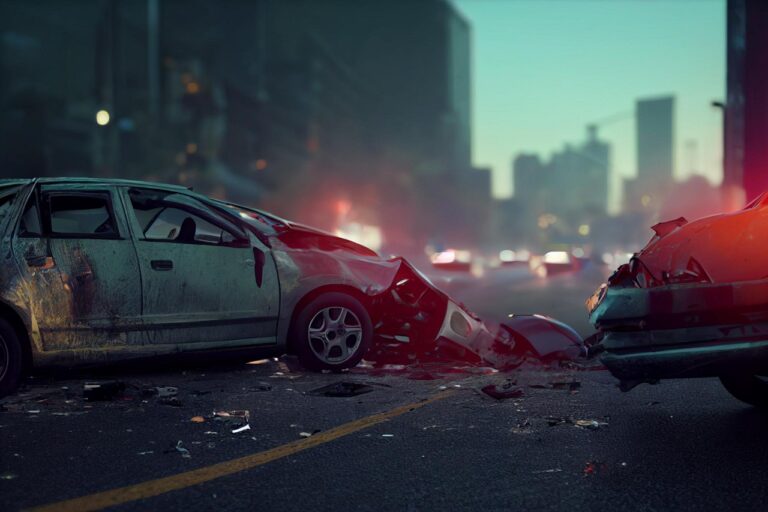
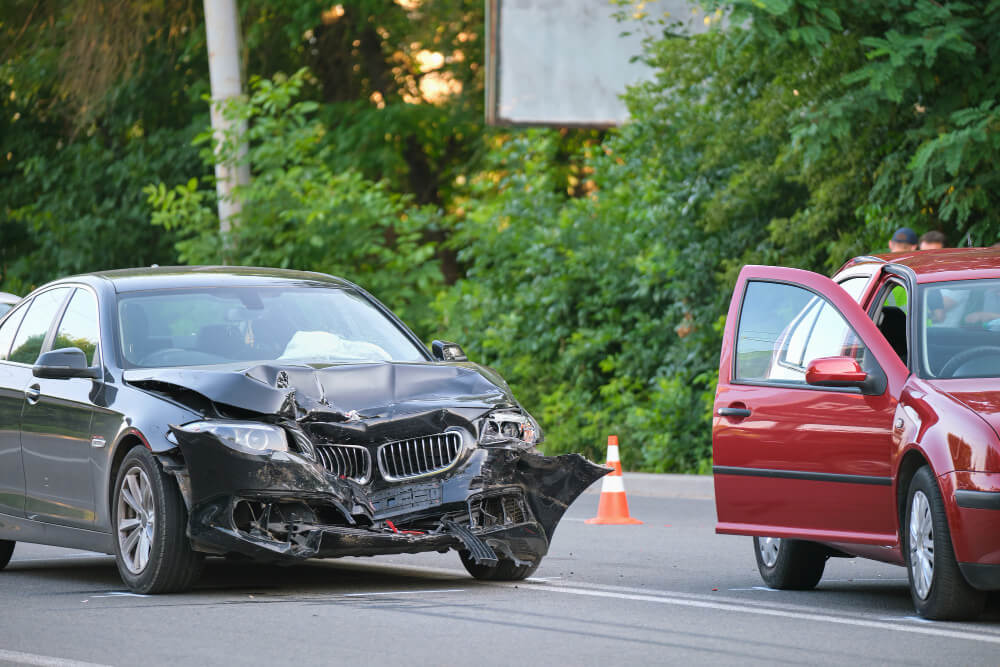
After a crash in Durham, you may be tempted to “just drive it home” if the car still starts. That decision can backfire fast. Collision damage isn’t always obvious—steering, brakes, suspension, tires, and safety sensors can be compromised even when the exterior damage looks minor. If something fails on the road, you could face a second incident, serious injuries, and expensive repairs that could have been avoided.
This article breaks down why driving a damaged vehicle is often unsafe, what to do instead, and how to protect your interests after a collision. For safe, 24/7 accident recovery in Durham, call Durham Towing Company at 1-919-805-3344.
Immediate Safety Risks of Driving a Damaged Vehicle
Driving your damaged car after an accident creates multiple safety hazards that aren’t always visible during a roadside inspection. Modern vehicles contain interconnected safety systems that can fail in ways you won’t detect without proper diagnostic equipment.
Hidden Structural Damage
Even minor impacts can compromise the vehicle’s frame integrity, making it less capable of absorbing crash forces in a second collision. Airbag sensors may also be damaged, preventing proper deployment when you need protection most.
Compromised Mechanical Systems
• Brake system damage – Brake lines can develop leaks from impact damage, gradually reducing stopping power as you drive
• Steering problems – Components may be bent or loosened, causing unexpected loss of control
• Suspension issues – Damage affects tire contact with the road, making your vehicle unstable during turns or emergency maneuvers
Visibility and Safety Equipment Issues
Damaged headlights or taillights may not function properly, making your vehicle difficult to see, especially in Durham’s frequent evening rain. Cracked mirrors or damaged windows reduce your ability to spot other vehicles or pedestrians, increasing blind spots that become even harder to manage after a collision.
Fluid leaks from damaged vehicles create environmental hazards and safety risks. Coolant, oil, or brake fluid leaking onto the road creates slippery conditions for following vehicles. Power steering fluid loss can make your car extremely difficult to control, particularly when parking or navigating Durham’s busy intersections.
Legal Consequences You Might Not Expect
North Carolina law requires all vehicles on public roads to meet specific safety standards. Driving your damaged car after an accident can result in citations and legal complications that extend far beyond the original incident.
Vehicle Safety Violations
Police officers can cite drivers for operating vehicles with non-functioning lights, damaged mirrors, or other safety equipment failures. These citations carry fines and potential license points that become part of your driving record and can affect insurance rates for years.
Liability for Secondary Accidents
If your damaged vehicle causes another accident due to mechanical failure or debris, you become responsible for additional property damage, injuries, and related costs. This liability exists even if the original accident wasn’t your fault.
Your insurance company may deny coverage for secondary accidents if they determine you were operating an unsafe vehicle. This could leave you personally liable for thousands of dollars in damages and medical expenses.
Durham police recommend having damaged vehicles professionally towed rather than driven, even short distances. This recommendation protects both the driver and other road users while preserving important evidence for insurance claims.
How Driving Damaged Cars Can Hurt Your Insurance Claim
Insurance companies carefully evaluate vehicle damage to determine repair costs and settlement amounts. When you drive your damaged car after an accident, you risk creating additional damage that complicates your claim and potentially reduces your compensation.
Documentation and Assessment Problems
• Additional damage becomes difficult to assess – Insurance adjusters need to distinguish between original accident damage and new damage caused by driving
• Damage patterns change – Driving can cause small cracks to expand, fluid leaks to worsen, or mechanical issues to develop
• Claims get delayed – This process often delays claim resolution and may result in denied coverage for secondary damage
Financial Impact on Your Claim
Insurance investigators may question whether all damage resulted from the original accident. If your car was repairable after the accident but becomes totaled due to driving damage, you may receive less compensation than the vehicle’s pre-accident value.
Fault determination issues can arise when your damaged vehicle contributes to secondary incidents. If mechanical failure from driving your damaged car causes another accident, insurance companies may assign partial fault to you for the original claim, reducing your compensation.
The Financial Reality: Why Saving Money Backfires
Many Durham drivers choose to drive damaged cars thinking they’ll save money on towing costs. This short-term thinking often results in significantly higher expenses that far exceed professional towing fees.
Compounding Repair Costs
A bent suspension component that could be straightened may break completely if driven, requiring full replacement. Engine damage from coolant loss can turn a minor repair into a major overhaul costing thousands of dollars.
Potential Medical and Legal Expenses
• Medical bills from secondary accidents can exceed your insurance coverage limits
• Lost wage claims if brake failure or steering problems cause you to injure someone else
• Pain and suffering settlements that could reach tens of thousands of dollars
Long-term Vehicle Value Loss
Even if repairs are successful, vehicles with extended damage history receive lower trade-in values and resale prices. The difference can amount to several thousand dollars over the vehicle’s remaining useful life.
Professional towing typically costs between $75 and $200 in the Durham area, while the potential costs of driving damaged vehicles can reach tens of thousands of dollars when all factors are considered.
What to Do Instead: The Smart Durham Driver’s Plan
Immediate Response Steps
Move to a safe location away from traffic if possible, but don’t attempt to drive your damaged vehicle. Call 911 if anyone is injured or if vehicles are blocking traffic. These steps protect your safety and financial interests after any accident.
Professional Assessment First
Even minor accidents can cause hidden damage that makes driving dangerous. Durham Towing Company provides on-site vehicle assessment and can advise whether your car is safe to drive the short distance to our facility.
Proper Documentation Process
• Take photos of all damage before any vehicles are moved
• Preserve evidence for insurance claims and legal protection
• Work with towing professionals who understand proper evidence handling procedures
24-Hour Recovery Services
Durham Towing Company eliminates the pressure to make quick decisions about driving damaged vehicles. We respond quickly throughout Durham and surrounding areas, providing flatbed towing that prevents additional damage during transport. Call us at 919-805-3344 any time, day or night, for immediate assistance.
Our professional accident recovery service includes coordination with insurance companies, secure vehicle storage, and transportation to your preferred repair facility. We handle the logistics so you can focus on dealing with insurance claims and any medical needs.
Conclusion
Driving your damaged car after an accident creates unnecessary safety risks, legal complications, and financial exposure that far outweigh any perceived savings. Hidden mechanical damage, compromised safety systems, and potential legal liability make professional towing the smart choice for Durham drivers.
The small cost of professional towing protects you from much larger expenses while ensuring your safety and preserving your insurance claim value. When accidents happen, trust Durham Towing Company to handle your vehicle recovery professionally and safely. Contact us at 919-805-3344 for reliable 24-hour accident recovery services that protect both your vehicle and your financial interests.